

On October 14, 2020, the Department of Health (DOT) issued a health and safety protocol for recreational diving in preparation for the gradual reopening of tourism leisure and activities.
The DOT advised divers to bring their own personal diving gears and equipment box, and use a “defog solution” to properly clean their dive masks upon visiting dive sites in order to contain the further spread of COVID-19. “Spitting on the mask or the use of saliva as a defogger is prohibited,” the DOT said.
“Our priority remains the same with the reopening of diving and sports tourism. By following these guidelines, we continue to uphold the safety and well-being of the tourists and the industry workforce,” Tourism Secretary Bernadette Romulo-Puyat said.
The PCSSD Memorandum Circular No. 2020-001 or the Health and Safety Guidelines Governing the Operations of Dive Establishments in the New Normal, recently signed by Puyat, provided instructions and regulations to follow for the dive operations under the new normal.
Divers are also reminded to practice use of hand disinfectants and hand washing, physical distancing, and the wearing of protective face masks when riding on dive boats, or whenever they’re not on an actual dive.
“Violation of any of these guidelines will subject the dive establishments to appropriate fines and penalties, including the revocation of PCSSD accreditation,” Puyat added.
Tourists are also required to present a negative reverse transcription polymerase chain reaction (RT-PCR) test result not earlier than 48 hours before arrival in the dive establishment as part of the Test-Before-Travel requirement.
Dive sites near the metro that are now open for tourists
According to DOT, there are already six dive establishments and two liveaboards accredited by PCSSD in Region IV-A. For the whole country, there are 241 dive establishments and 10 liveaboards accredited.
As of October 8, 222 establishments have secured the Certificates of Authority to Operate (CAO) from the DOT.
“The DOT accreditation certifies that the dive establishments are conforming to the minimum health and safety guidelines and are ready to accept guests again,” Puyat added.
Here are some of the best dive spots that are accredited by PCSSD:
Balayan Bay
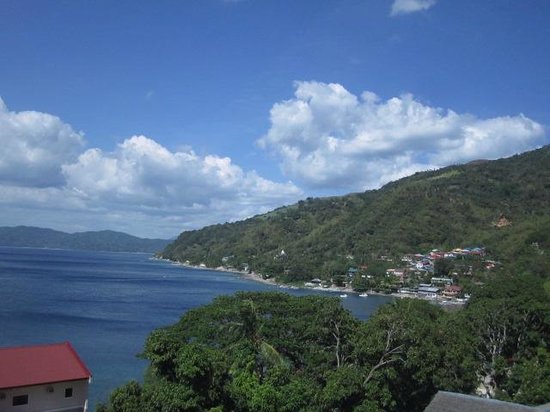
Located in Lemery Batangas, Balayan Bay is a large bay in Luzon Island in the country. It is part of the Verde Island Passage and its entire shore is in the province of Batangas. The Calumpan Peninsula forms the bay's eastern side that separates it from Batangas Bay. Balayan Bay is ideal for divers because of its abundance in fish and other marine life.
Cathedral Rock
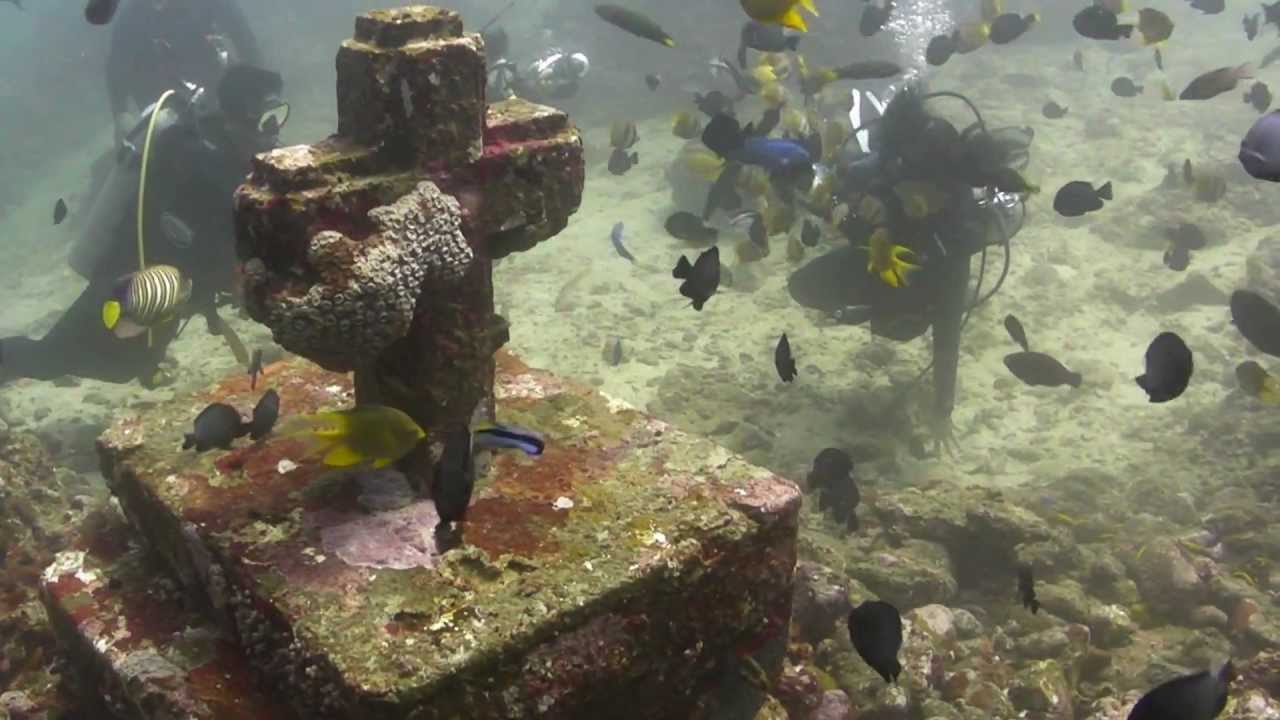
One of the most popular dive sites in Batangas, Cathedral Rock is approximately 23 meters away from Bagalangit Point. It is a giant rock formation that looks like a “roofless underwater amphitheater”. This dive spot is filled with different corals and now also a home to moorish idols, parrotfish and other small fishes.
Beatrice Rock
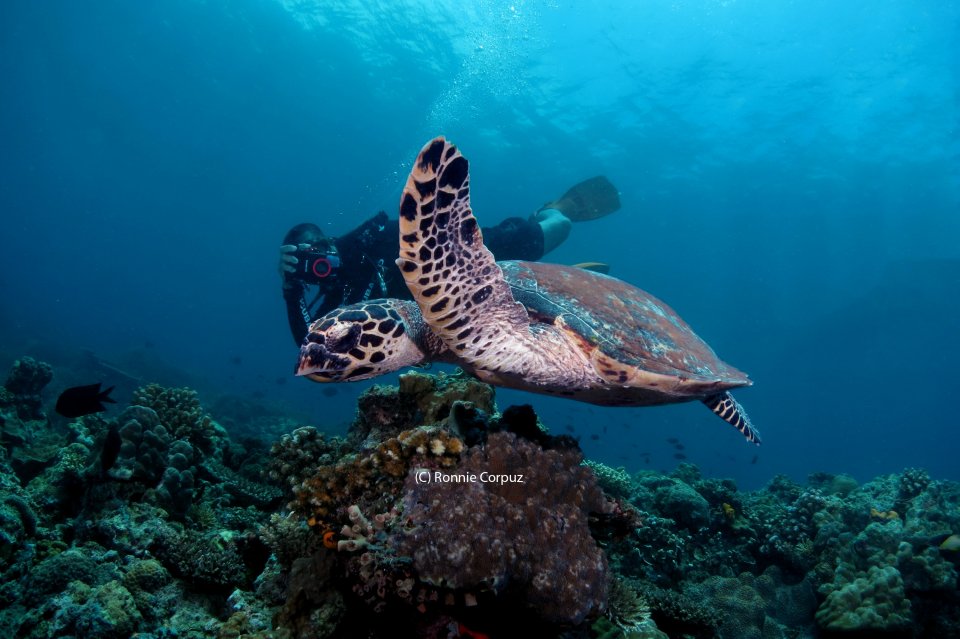
“Just like an aquarium” — this is how most divers who had visited the Beatrice Rock defined the dive spot, because of its outstanding visibility. It is also filled with corals and different underwater species. The average depth of Beatrice Rock is 14 m / 45.9 ft. although the maximum depth usual divers can reach is 27 m / 88.6 ft.
Twin Rocks
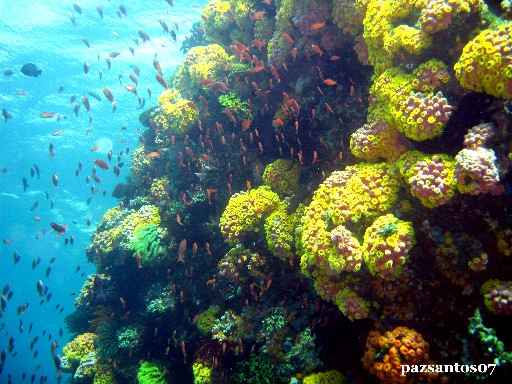
Twin rocks is 16m in depth. 29 minutes away from Anilao, this dive site is used to one of always on the go for professional underwater photographers and hobbyist divers, because in this small area around the two big rocks you'll get what you need and satisfy your eyes. Twin Rocks is said to be home to clams, school of jacks, different colors of ribbon eel, and other unique type of fishes that you don’t usually see in other areas.
Mainit Muck
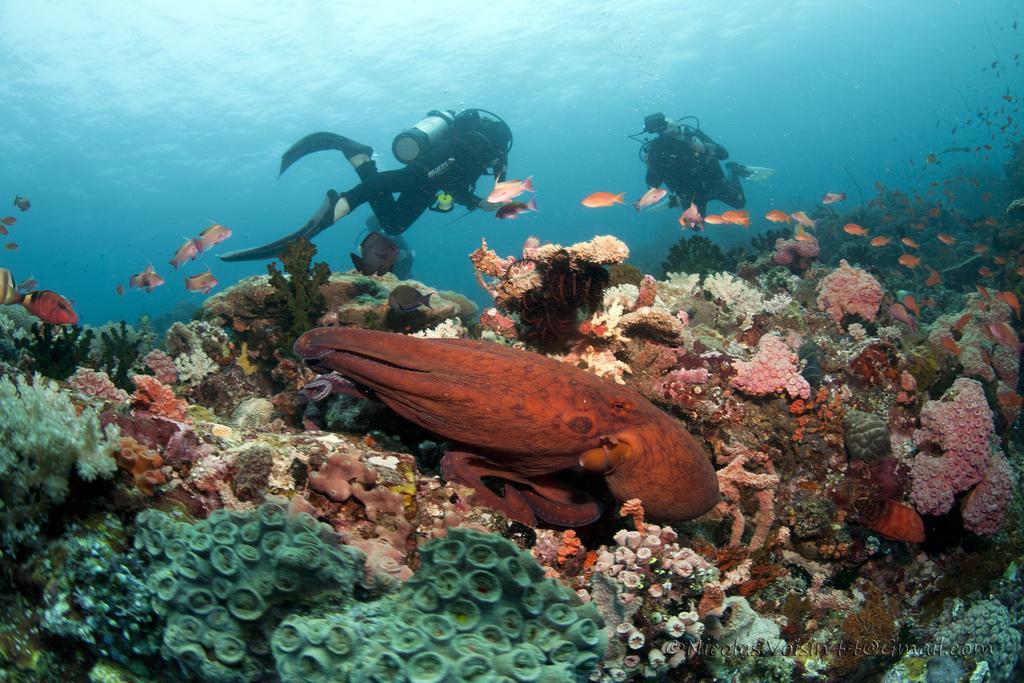
Mainit Muck, also known as "Secret Bay", is one of the most famous yet "secretive" muck-diving sites in Anilao, Batangas. This dive site is one of the most productive sites for muck diving. It is in excellent conditions at any time of the day — perfect for divers, and more magical at night. The best diving depth in the area according to diving experts is between 10-70 feet deep (3-21 meters).
Aside from its great diving experience and underwater activities, Batangas is also known to its stunning views, hospitable locals, relaxing staycations, and mouth-watering food! Just make sure to comply with the DOT’s health and safety protocol for a hassle-free getaway.
Related Reads
What's New
More Articles


